


 Menu
 Back


Why is Grass Growing on My Pavement?
Whether you have an asphalt or concrete driveway, there may come a time when you find grass growing out of it. Commercial and residential property owners alike will be annoyed at this disruption of their smooth, flawless surface, wondering how it happened. Grass on your driveway or pavement is more than just unsightly: it can cause damage to your pavement, as well. Let’s look at how it happens, why it’s a problem, and how you can prevent it in the future.
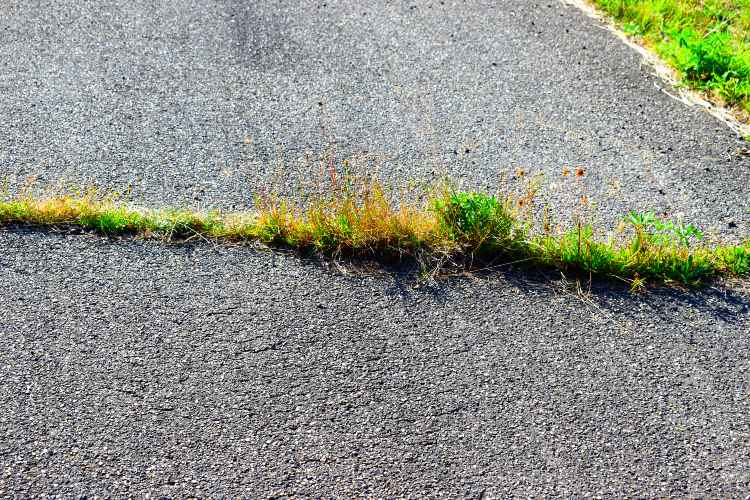
Why is Grass Growing on my Pavement?
There are several different reasons you may suddenly find grass growing on your pavement.
- Poor Installation: Concrete can’t be installed directly onto grass or soil, but requires a barrier of gravel or sand. This allows water to drain and prevents cracking, so that grass doesn’t have an opening through which it can grow. Asphalt must be installed over base layers of asphalt, or its heat will encourage seeds to grow through it.
- Soil Beneath the Pavement: When the soil isn’t properly compacted, grass can take root and push through the pavement.
- Moisture and Sunlight: Excess moisture can lead to tiny holes in pavement, and when the sunlight shines through these little holes, it encourages the growth of grass seeds hiding within them.
- Wind-Blown Seeds: Thanks to help from the wind, plants can “volunteer” in various places, because of seeds blown far from their place of origin. When grass seeds blow into a crack in your pavement, grass can begin to grow.
Common Areas Where Grass Grows on Pavement or an Asphalt Driveway
Grass and weeds can come up through cracks in the pavement, but that’s not the only way they can encroach on it. Sometimes, the incursion of grass begins at the edges of the pavement, or the curb. Downspouts and other places where water can pool can also provide a place for grass to grow into the pavement. Additionally, the winter weather can cause cracks, and snow around the pavement can kill the existing turf and make room for grass and weeds to take root.
Why Grass Growth on Pavement is a Problem: Is it Time for Driveway Sealing?
Grass growing on and through the pavement is unsightly, but it’s also destructive. And while cracks can be the reason that grass can grow within the structure of the pavement, grass can also be the cause of widening cracks. Eventually, left untreated, grass on your pavement can lead to the need for extensive repairs or even replacement of your driveway. Sealing your asphalt driveway before grass is growing through it can create an effective barrier to prevent this growth.
How to Prevent Grass Growing on Pavement
Is there any way to keep this from happening? Is grass growing because my asphalt isn’t dry? How long does asphalt take to dry, anyway?
- Proper Installation: If asphalt is installed improperly, with a cheap mix of aggregates, too much moisture, or in humid weather, it might not dry as quickly as it should. While it should be dry in 48 hours, sloppy installation can mean it stays wet and warm for much longer, encouraging seed germination that will lead to grass growth.Similarly, improperly installed concrete can lead to grass in the pavement. If the pavement needs to be reinstalled, make sure it’s done correctly.
- Use Weed Barriers: If you’re having repairs done or replacing your driveway, installing weed barrier before putting in new asphalt or concrete can be an effective way to keep grass out of your pavement.
- Regular Maintenance: Keeping up with your pavement goes a long way towards preventing grass growth. Fill cracks promptly and have the driveway resealed as needed, to keep it in pristine condition.
- Apply Herbicides: Applied into the cracks of an existing driveway, or on soil when the driveway is being repaired or replaced, herbicides can effectively kill any plants before they attempt to make their way through the pavement.
How to Remove Grass Growing on Pavement
Fortunately, there are several different methods for removing grass growing on your pavement.
- Manual Removal: Pulling up grass by the roots is effective, but it’s also time-consuming and labor intensive.
- Boiling Water: Pouring boiling water directly onto the grass will kill it, but you’ll have to do it several times.
- Vinegar Solution: A vinegar solution will cause the grass to die back, but won’t eliminate the roots.
- Chemical Herbicides: Commercial weed killers will kill the grass, but can also damage the soil and surrounding vegetation.
- Pressure Washing: Using a powerful stream of water to blast away grass is satisfying and effective.
- Professional Repairs: Kill the grass, then have the cracks filled and the pavement sealed. Alternately, if the damage is serious, have the pavement or asphalt replaced.
Grass Becoming a Problem? Call Driveways 2Day, Professional Concrete and Asphalt Paving Contractors
If your driveway needs repair or replacement due to grass incursion, contact the professionals at Driveway 2Day. A family-owned company serving customers throughout Maryland, we provide quality specialized services that include driveways, seal coating, and parking lot construction, offering not only asphalt, but also concrete, paver, and tar/chip products. Our relationship with our customers is important to us, and we value their trust, so we work hard to provide high quality workmanship and professionalism. Licensed, bonded, and insured, we provide services for both residential and commercial clients, delivering quality work, honesty, and timely service. To learn more about all we have to offer, contact us through our website.